
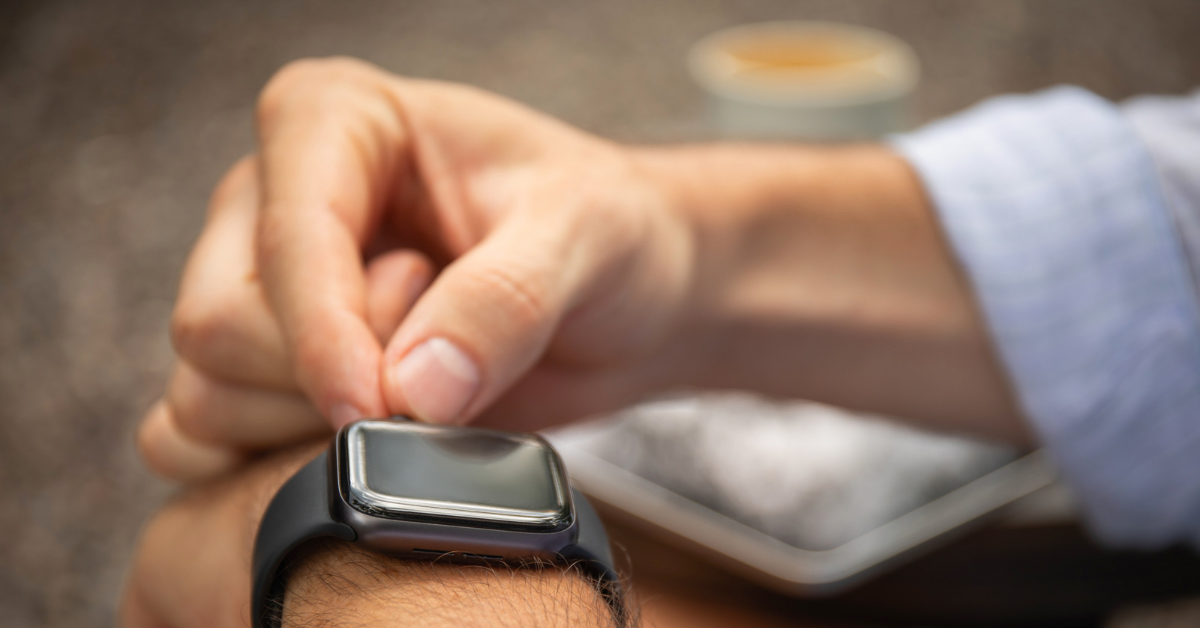
Do you recall those mornings when you wake up after a great night’s sleep, refreshed and energized? The rest of the day is usually spent wondering what makes some nights more restful than others and promising to make better sleep a priority. Wearable devices, powered by our wireless networks, are helping us fulfil that promise with insights that pinpoint how daily habits affect sleep patterns.
This is just one way the technology is transforming how we manage our health and wellness goals. While wearable devices aren’t a substitute for medical guidance, they are a tool that is putting the power in our hands. Figuratively and literally.
Wearables Behind the Scenes
Today, it’s estimated that a third of Americans are using wearable devices, a number that has grown 58 percent in the last five years. This connectivity is providing a layer of comfort and safety for millions of Americans, especially for those who live in rural communities or are predisposed to certain medical conditions.
With this rising demand comes more options. From fitness trackers, smart rings and watches to patches and alert devices, you can choose the best option for your lifestyle. Some wearable technologies are designed to track your activity patterns and recovery metrics. Others detect irregularities in your vital signs.
For those with chronic illness, wearable devices can help manage the condition. For example, someone with diabetes can wear a glucose monitor that catches low blood sugar before it reaches dangerous levels. In fact, there have been 31% fewer hospitalizations for low-blood-sugar in patients using continuous glucose monitors.
These devices can also help detect early signs of many health issues, including heart disease or high blood pressure. Atrial fibrillation is a leading cause of stroke, and many trackers today can help detect AFib, giving you the chance to seek medical attention before symptoms become worse or dangerous.
For someone who is disabled, the innovative technology is empowering independence and making our world more accessible. A pair of smart glasses can help someone who is blind or low vision navigate the world in a new way through audio navigation or environmental descriptions.
Behind these everyday benefits are the wireless connections that ensure wearables work for us.
Connecting Wireless and Wearables
Thanks to innovation and the growing use of AI, our cellphones have evolved from being just communication tools.
Whether it’s navigating traffic in real time or managing our health, these new opportunities are keeping us more connected than ever. There are now 603 million wireless connections in the United States, which is nearly two connections for every person. Though, nearly half of the devices on our networks are something other than a cellphone. That includes wearable devices, which can connect to cellular data or via Bluetooth to a smartphone.
Greater connectivity means greater data use. To put it in perspective, last year alone, we used 39% more data than during the entire 4G decade. Demand is projected to quadruple over the next six years, largely driven by AI.
Continuing to meet our wireless demand depends on smart wireless policy. Expanding connectivity, modernizing outdated permitting rules, and access to licensed airwaves (spectrum) will play a key role in what’s ahead.
Join Us
Have a story to share about how a wearable device or activity tracker improved your health? Share your story today.
